Students taking logistics and supply chain management courses often encounter the Cincinnati Seasonings simulation in SCM Globe. While the simulation appears straightforward at first, many students quickly discover that balancing inventory, transportation, production, and profitability is far more complex than expected.
Having worked through the Cincinnati Seasonings project myself, I understand the challenges students face when trying to keep the supply chain running efficiently while meeting all project requirements. This article explains the key concepts behind the simulation and how to approach the assignment successfully.
Our experienced supply chain and operations management tutors can help you run your simulation successfully, optimize routing, control costs, and write an outstanding final report.
Get expert assignment assistance today!
What Is the Cincinnati Seasonings SCM Globe Simulation?
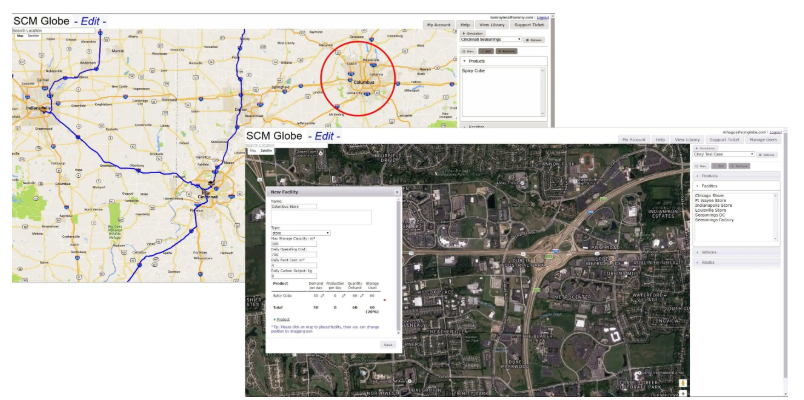
The Cincinnati Seasonings case study is a supply chain simulation where a company manufactures and distributes spice blends from a distribution center in Cincinnati to multiple retail stores.
The objective is to design and manage a supply chain that can operate successfully over a specified period while minimizing costs and maintaining product availability.
Students are required to make decisions regarding:
- Inventory levels
- Transportation routes
- Vehicle selection
- Production rates
- Distribution center operations
- Store replenishment policies
The challenge is that changes in one area often affect every other part of the supply chain.
Common Problems Students Face
Many students encounter issues such as:
Inventory Overflow
A common mistake is maintaining excessive inventory at stores and distribution centers. While this may reduce stockout risk, it significantly increases storage and operational costs.
Stockouts
Reducing inventory too aggressively can result in stockouts, causing the simulation to fail before reaching the target completion period.
Transportation Inefficiencies
Using dedicated trucks for every location often leads to excessive transportation costs and underutilized vehicle capacity.
Poor Profitability
Even when the simulation runs successfully, students frequently struggle to achieve positive profits because operating expenses remain too high.
Key Strategies for Improving Performance
Align Production with Demand
One of the first areas to examine is factory production. Many simulations begin with production levels that exceed actual demand. Excess production creates unnecessary inventory accumulation throughout the supply chain.
Instead, production should closely match expected demand while maintaining sufficient flexibility to avoid shortages.
Reduce Inventory Without Creating Stockouts
Successful supply chain design requires balancing inventory carrying costs with service levels. Holding less inventory reduces storage expenses, facility operating costs, and working capital requirements. However, inventory reductions should be supported by carefully planned replenishment schedules.
Optimize Transportation Routes
Transportation often represents one of the largest cost categories within the simulation. Instead of assigning separate vehicles to every store, consider opportunities for:
- Multi-stop delivery routes
- Route consolidation
- Higher vehicle utilization
- Alternative transportation modes
Efficient routing can dramatically improve profitability.
Evaluate Rail Transportation
One of the most overlooked opportunities in the Cincinnati Seasonings simulation is rail transportation. Depending on the network design, rail can offer:
- Lower transportation costs
- Higher carrying capacity
- Reduced carbon emissions
- Improved overall efficiency
Students who evaluate multiple transportation options often achieve stronger results than those who rely solely on trucks.
Understanding the Inventory-Transportation Trade-Off
One of the most important lessons from the Cincinnati Seasonings simulation is that inventory and transportation costs are interconnected.
Reducing inventory usually requires more frequent deliveries. Increasing delivery frequency may raise transportation costs.
The objective is not to minimize a single cost category but to minimize the total supply chain cost while maintaining acceptable service levels. This concept appears repeatedly in real-world supply chain management and is one of the primary learning objectives of the simulation.
Writing the Final Report
Many students focus entirely on obtaining a successful simulation run and overlook the report component. A strong report should explain:
- Why specific decisions were made
- How inventory levels were optimized
- How transportation routes were redesigned
- The impact of those changes on costs and profitability
- Lessons learned from the simulation
Instructors are typically interested in the reasoning behind your decisions, not just the final results.
Need Help with the Cincinnati SCM Globe Assignment?
If you're struggling with the Cincinnati Seasonings SCM Globe simulation, I can help.
I have experience assisting students with:
- SCM Globe simulations
- Logistics assignments
- Supply chain management coursework
- Operations management projects
- Statistical analysis
- Business analytics assignments
- Academic report writing
Whether you need help understanding the simulation, improving profitability, optimizing routes, analyzing results, or preparing your final report, I can provide assistance.
Visit Finish My Statistics Class to learn more about the academic support services available for students in supply chain management, business analytics, and quantitative courses.
Final Thoughts
The Cincinnati Seasonings simulation is an excellent introduction to real-world supply chain decision-making. Success requires understanding how production, inventory, transportation, and facility operations interact within a complete logistics network.
Students who focus on balancing these trade-offs rather than optimizing a single metric are typically the ones who achieve the strongest simulation results and the highest project grades.
Get Cincinnati Seasonings Help Today
If you are looking for reliable SCM Globe simulation help, routing optimizations, or academic writing support for your supply chain assignment, we are ready to assist. Contact us today with your project guidelines to get started.
Get Simulation Assistance