If you're taking a statistics class, you will inevitably encounter the t-test. It's one of the most common statistical tests used in research, but figuring out which t-test to use can be confusing.
In this guide, we'll break down the three main types of t-tests, explain when to use them, and provide simple, real-world examples.
Our expert tutors can check your work, write up the APA results, or explain the math step-by-step. Get a free quote today.
1. What is a T-Test?
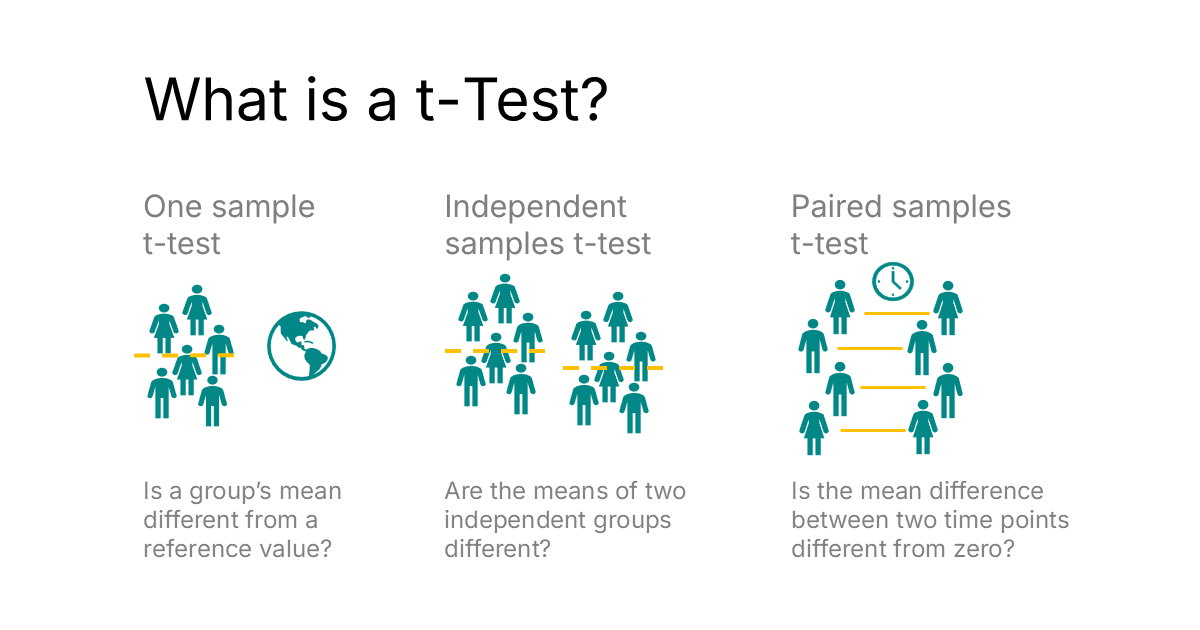
A t-test is an inferential statistic used to determine if there is a significant difference between the means of two groups. Simply put, it helps you answer the question: "Are these two averages truly different from each other, or did this difference happen by random chance?"
2. The Independent Samples T-Test
When to use it: Use this test when you want to compare the means of two completely separate, independent groups.
- Example: Comparing the test scores of Group A (students who drank coffee) and Group B (students who didn't drink coffee).
- Assumption: The people in Group A are entirely different from the people in Group B.
3. The Paired Samples T-Test (Dependent)
When to use it: Use this test when you want to compare the means of the same group of people at two different times or under two different conditions.
- Example: Measuring students' test scores before tutoring and measuring the exact same students' scores after tutoring.
- Assumption: The data pairs are linked (e.g., pre-test/post-test).
4. The One-Sample T-Test
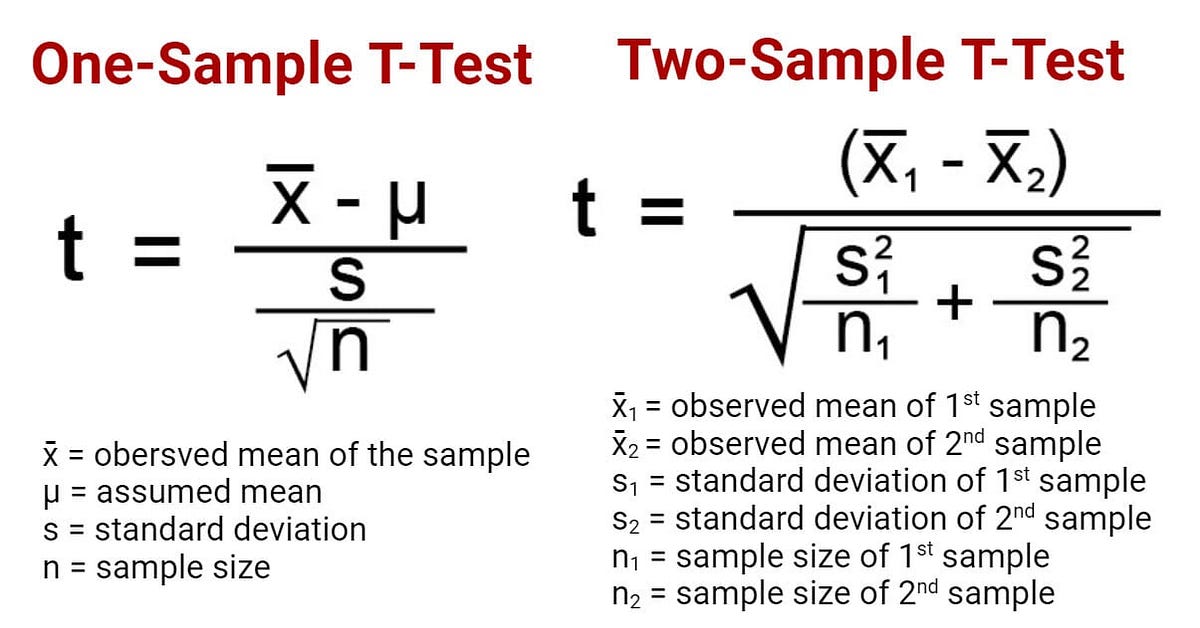
When to use it: Use this test when you want to compare the mean of one specific group to a known or hypothesized population mean.
- Example: Testing if the average height of basketball players in a specific college is significantly different from the national average height of college males (which is known).
Conclusion
Choosing the right t-test comes down to analyzing your groups: Are they separate (Independent), the same people measured twice (Paired), or one group compared to a known standard (One-Sample)?
Mastering these distinctions is key to running accurate analyses in software like SPSS, R, or Python. If you find yourself stuck on an output table or deciding which test to run for your dissertation, don't hesitate to reach out to our team of experts via the Services page.